
In the context of fast-moving discussions on housing policy at the federal, provincial and municipal levels, a group of 27 experts on July 22, 2025, sent a joint letter to Canadian Prime Minister Mark Carney and Federal Minister of Housing and Infrastructure Gregor Robertson expressing concerns and suggestions. The letter is entitled “Advancing Housing Affordability Through Bold, Evidence-Based Policy.”
The Metro Vancouver based group of urbanists, urban planners, architects, developers, and UBC/SFU academics, most with decades of experience, have joined together to broaden the search for enduring housing solutions. While their primary focus is on Vancouver, they believe their comments are also applicable to cities across Canada that are also struggling with affordability issues.
Main message: “Canada’s housing crisis demands a reset in how we use public policy to achieve affordability. The current market correction presents an opportunity—not a threat. Governments should not bail out speculative development models, but instead use this moment to invest in non-market housing, preserve existing affordability, and ensure that public subsidies serve long-term public outcomes.”
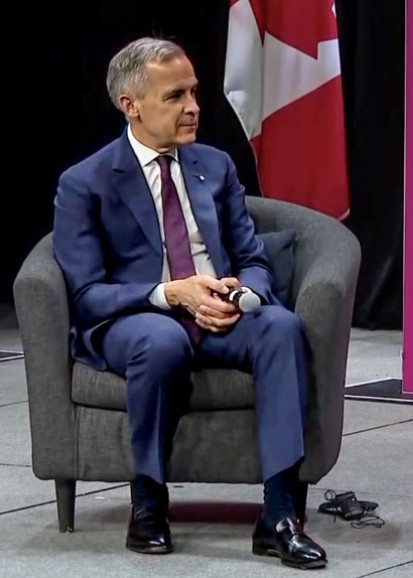
(Prime Minister of Canada)
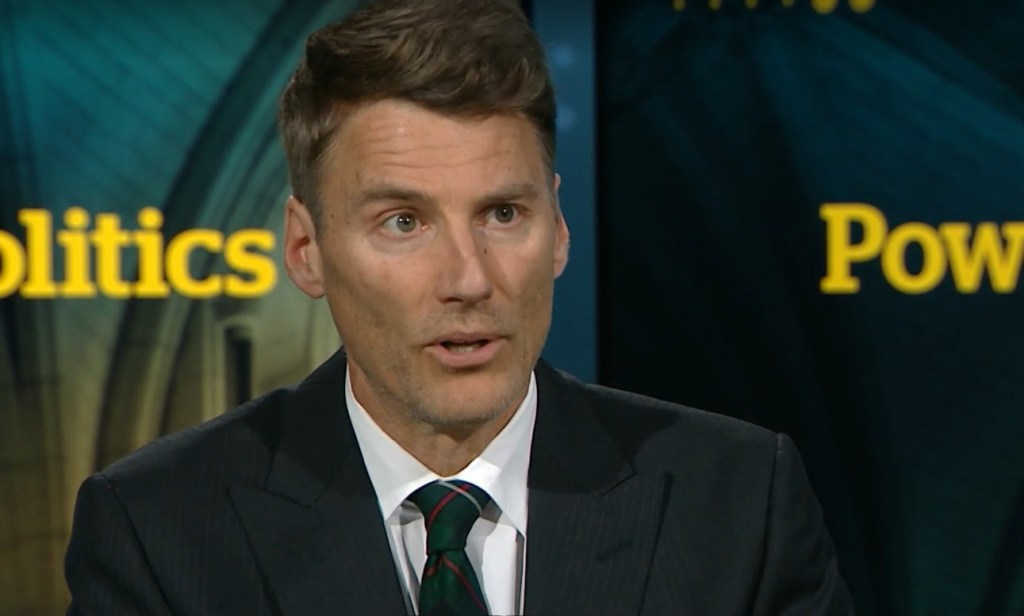
(Federal Minister of Housing and Infrastructure)
The six key points are as follows:
- Canada’s housing strategy must deliver affordability—not just more supply
- Use the market correction as an opportunity—not something to resist
- Public subsidies must deliver public benefit outcomes
- Preserve what’s affordable—don’t displace it
- Reform delivery and financing models to align with residents’ needs
- Rebalance costs and benefits between all orders of government
The document (PDF) can be downloaded directly here: https://housingreset.ca/wp-content/uploads/2025/07/2025-07-22-letter-to-pm-carney-robertson-re-advancing-housing-affordability.pdf
View PDF version (on screen)
.
Full text follows
*****
July 22, 2025
To: The Right Honourable Mark Carney, Prime Minister of Canada
The Honourable Gregor Robertson, MP, Federal Minister of Housing and Infrastructure
Re: Advancing Housing Affordability Through Bold, Evidence-Based Policy
We are a Metro Vancouver region-based group of urbanists, urban planners, architects, developers, and UBC/SFU academics — with decades of experience in housing policy, urban planning, architecture, urban design, and real estate development — joined together to broaden the search for enduring housing solutions. While our primary focus is on Vancouver, our comments below are also applicable to cities across Canada that are also struggling with affordability issues.
Canada’s housing crisis demands a reset in how we use public policy to achieve affordability. The current market correction presents an opportunity—not a threat. Governments should not bail out speculative development models, but instead use this moment to invest in non-market housing, preserve existing affordability, and ensure that public subsidies serve long-term public outcomes.
1. Canada’s housing strategy must deliver affordability—not just more supply
Canada’s housing crisis is, above all, a crisis of affordability. Supply has increased significantly in cities like Vancouver—where housing starts have outpaced population growth for decades—yet prices remain disconnected from incomes.
Vancouver provides one of the most comprehensive real-world tests of this theory. Between 1960 and 2020, it increased its housing stock by over 200% while population grew by only 78%—more than any other North American central city. Yet its housing affordability declined dramatically, and it now has the highest home price-to-income ratio on the continent. (See attached Appendix A illustrations)
This data, drawn from Statistics Canada and U.S. Census sources, suggests that increasing housing density alone is insufficient to produce affordability. Without addressing land value inflation, financial speculation, and tenure security, supply-side interventions risk worsening the very crisis they aim to solve.
2. Use the market correction as an opportunity—not something to resist
- Do not use public funds to bail out overleveraged speculative developments.
- Do not reintroduce foreign capital or investor demand to reflate prices artificially.
- Take advantage of falling land costs and freed-up skilled labour to invest in non-profit, co-op, and public housing that will remain affordable long-term.
- Policy—not just construction—can influence affordability. Recent short-term rental regulations, adjusted immigration targets, and demand-side measures have already helped reduce pressure on rents.
3. Public subsidies must deliver public benefit outcomes
- Prioritize federal financing and grants for co-ops, land trusts, and nonprofits.
- Since CMHC-backed programs like MLI Select are not producing the right kind of supply that is affordable and livable, while it puts CMHC at undue risk, reconsider if more of CMHC resources should go towards co-op housing with permanent affordable housing instead.
- Require minimum livability standards, especially for family-friendly housing.
- Ensure affordability is defined relative to local incomes, not market medians, and is long term permanently secured through strong covenants and housing agreements.
4. Preserve what’s affordable—don’t displace it
- Make tenant protection and zero net-loss of affordable units, mostly through protecting existing rental buildings from demolition, a condition for accessing federal infrastructure or housing funds.
- Support rehabilitation and retrofits of existing rental buildings as climate-resilient, affordability- preserving alternatives to demolition.
- Recognize the human toll of displacement—the best tenant protections are to protect existing rental buildings.
- Ensure that public funds do not create the wrong kinds of supply that inflate land values and market rents, like CMHC’s MLI Select financing is currently doing, with the impacts on land values of tower development in particular.
5. Reform delivery and financing models to align with residents’ needs
- Provide tax, financing and policy incentives to encourage individual end-users to build more secondary suites and infill developments that can create both more rentals and mortgage helpers.
- Support gentle, ground-oriented density options that better match household needs and local context.
- Avoid making towers the default solution. Towers have their place—particularly in transit-rich areas— but they are not always the best form. The right supply is livable, secure, and suited to local neighbourhoods without triggering demovictions.
6. Rebalance costs and benefits between all orders of government
- The costs of growth—especially infrastructure and amenities—should not be downloaded to municipalities (i.e., local taxpayers and communities).
- Tie federal support to reforms that ensure new development pays its fair share for growth-related amenities, transit, and public services.
Conclusion
We encourage and support building more affordable livable housing rather than continuing to build the wrong kinds of housing, in the wrong places, for the wrong reasons.
We believe the federal government can lead the way by restoring affordability as the central objective of housing policy. That means resisting short-term pressure to rescue flawed models and instead embracing long-term investment in public, non-profit, and community-led housing. It also means preserving existing affordability, and building new homes that serve real people, not just markets.
We welcome the opportunity to meet with you to explore how these strategies can shape a more sustainable and just housing future for all Canadians.
Please see the following page for those signing this letter.
Cc:
Paul Halucha, Deputy Minister, Federal Ministry of Housing and Infrastructure Canada Honourable
David Eby, Premier of British Columbia
Honourable Christine Boyle, MLA, Minister of Housing and Municipal Affairs, BC
Teri Collins, Deputy Minister, Ministry of Housing and Municipal Affairs
Mayor Ken Sim and Council, City of Vancouver
*****
Attachment: Appendix A
Signed:
David Ley, OC, FRSC, PhD, Urban Geographer, Professor Emeritus UBC, Order of Canada.
Christina DeMarco, Urban and Regional Planner, former lead planner for the Metro Vancouver Regional Growth Strategy.
Penny Gurstein, PhD, MCIP (ret.) Professor Emeritus and Former Director, School of Community and Regional Planning, Co-Director, Housing Research Collaborative, UBC
Larry Beasley, CM, FCIP, Former Co-chief Planner of Vancouver, author Vancouverism.
Patrick Condon, Professor UBC School of Landscape and Architecture, author Broken City. Former city planner, James Taylor Chair in Landscape and Liveable Environments.
Scot Hein, Retired Architect MAIBC/Former COV and UBC Senior Urban Designer and Development Planner/Adjunct Professor Urban Design UBC/SFU Faculty Continuing Studies/Founding Board Member Urbanarium/Board Member Small Housing BC/Housing Advocate
Brian Palmquist, Award winning architect and author, AIBC MRAIC BEP CP LEED AP
Arny Wise, B. Comm., M.Sc.(Planning) U of T, Professional Planner MCIP, RPP (retired), Board of Directors, Toronto Economic Development Corporation (1990-1999).
Sean McEwen, Architect, AIBC, FRAIC. Affordable housing advocate.
Barbara Gordon, Retired Architect AIBC and retired Director of Capital Planning, UBC
Lance Berelowitz, AA Dipl RPP MCIP, Principal Urban Forum Associates.
Michael Geller, FCIP, RPP, MLAI, Ret Architect AIBC, urban planner, real estate consultant, developer and Adjunct Professor, SFU.
Elizabeth Murphy, private sector project manager formerly with the City of Vancouver’s housing and properties department, BC Housing and BC Buildings Corp
Bill McCreery, BArch UMan; Sub Lt. RCNR, helped create North and South False Creek and thousands of units of developer & public housing in Vancouver.
Graham McGarva, FRAIC, Retired Architect AIBC, M.A.
Erick Villagomez, Lecturer UBC School of Community and Regional Planning, Principal, Mētis Design|Build, Editor-in-Chief, Spacing Vancouver
Norman Hotson, Retired Architect AIBC, FRAIC, RCA, HonPIBC
Mary Pynenburg MRAIC (Retired) MCIP (Retired)
Robert Renger, BES, MCP; Consultant City Planner; Former Senior Development Planner and City’s lead for UniverCity at SFU, City of Burnaby.
Andy Yan, FCIP, RPP, GISP Director, City Program, Lifelong Learning and Associate Professor of Professional Practice, Urban Studies Program, Simon Fraser University
Tom Phipps, Retired Senior Planner City of Vancouver (33 years)
Sandy James, former City of Vancouver City Planner, Managing Director Walk Metro Vancouver
Ralph Segal, MAIBC (ret.) Former Chief Urban Designer, City of Vancouver
Elvin Wyly, PhD, Urban Geographer, Housing Researcher
Mary Beth Rondeau, Ret Architect AIBC Former Urban Designer City of Vancouver
Frank Ducote, Principal, Frank Ducote Urban Design, former Senior Urban Designer, City of Vancouver
David Wong, Architect, AIBC; formerly with Engineering & Planning Dept. City of Vancouver
*****
APPENDIX A
Notes and Illustrations
Illustration #1
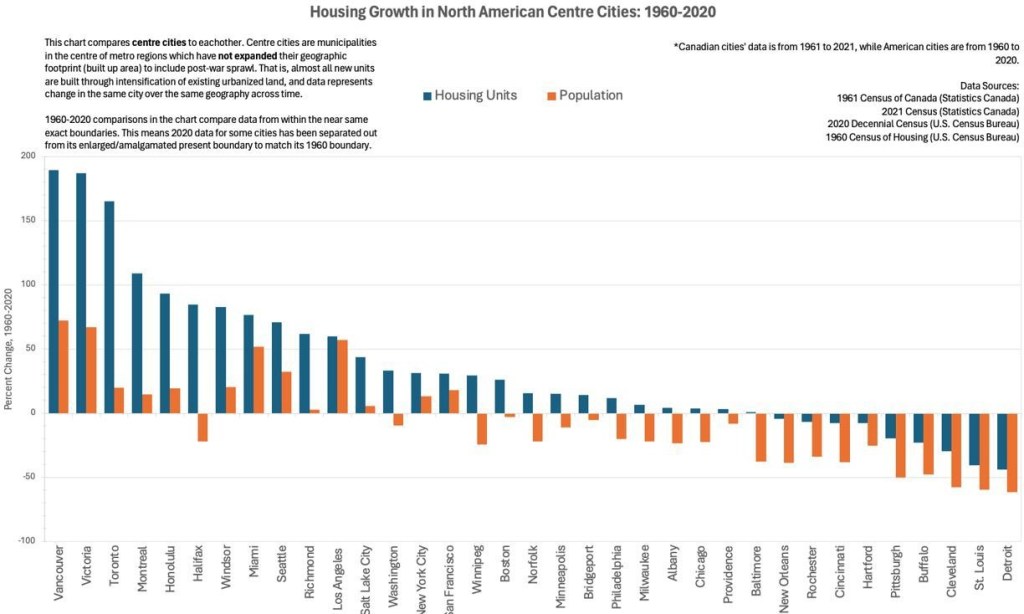
Illustration #1 – This highlights Vancouver’s achievement compared to other North American central cities, showing that Vancouver increased its housing stock by 200%, despite only a 78% increase in population. Source: Patrick M. Condon and Thomas Kroeker, 2025
Illustration # 2

Illustration #2 – This shows how the ratio of housing prices to median household income has evolved over time (refer to Illustration #1 above). This chart reveals how Vancouver’s housing market has diverged from typical patterns in terms of residential density, housing affordability, and housing supply since 1960. Source: Patrick M. Condon and Thomas Kroeker, 2025

 Housing Reset
Leave a comment